Creating Pocket Gardens with Native Plants


Club member Marcia Carsten has compiled an excellent and extensive native plant listing to create your own pocket garden.  This listing covers a wide range of native plants and planting information.  Thank you so much for sharing your knowledge Marcia!

Native Plants for Pocket Gardens© by Marcia Carsten
Download the documents HERE

*If you are having difficulty with the document displaying properly, download the PDF version on the club's website HERE


I printed the document double-sided on cardstock and then laminated.  A handy resource and it's nice that photos are included.

Happy Earth Day!

Books that Celebrate Earth Day

"After returning to America after twenty years in Great Britain, Bill Bryson decided to reacquaint himself with his homeland by hiking the 2,100-mile Appalachian Trail. With his signature wit, humor, and eye for the absurd, he explores the history of the trail, remarks on its beauty, and advocates for its conservation."- Review by BookRiot.com
Purchase on Amazon

"Second Nature is a memoir cum philosophical meditation on gardening. As Pollen wrestles with his unruly Connecticut land patch, he ponders the moral imperatives of compost, the absurdity of America’s obsession with the perfect lawn, and the disconnect between the garden of his suburban childhood imagination and the reality of the natural world. Also be sure to check out Pollen’s The Botany of Desire and The Omnivore’s Dilemma"- Review by BookRiot.com
Purchase on Amazon

"This book, HERE: Poems for the Planet, contains many beautiful, generous poems and ideas for action. It is my heartfelt hope that they will inspire readers who ask themselves, 'But what can I do?' to see that there is a way forward―learning to share the earth and its resources, while taking care of it together." ―His Holiness The Dalai Lama 
Purchase on Amazon

"When writer and navigator Tristan Gooley journeys outside, he sees a natural world filled with clues. The roots of a tree indicate the sun’s direction; the Big Dipper tells the time; a passing butterfly hints at the weather; a sand dune reveals prevailing wind; the scent of cinnamon suggests altitude; a budding flower points south. To help you understand nature as he does, Gooley shares more than 850 tips for forecasting, tracking, and more, gathered from decades spent walking the landscape around his home and around the world. Whether you’re walking in the country or city, along a coastline, or by night, this is the ultimate resource on what the land, sun, moon, stars, plants, animals, and clouds can reveal—if you only know how to look!"- Review on Amazon
Purchase on Amazon

Happy Reading!

Earth Day Quiz

Bee Hotels

Since this week has Earth Day, here is a post to provide beneficial insects with shelter.  Insect hotels come in so many sizes and designs and are simple to create.  A very basic, yet effective, bee hotel can be made with an aluminum can and hollow stalks from the garden.  You can find the tutorial HERE.


Here's another simple idea:


The insect hotels listed below are next level!  They really are pieces of art in the garden.  It's wonderful when something functional is also beautiful.


Gift Guide for the Gardener on Mother's Day


HGTV editors have compiled a wonderful list of gift ideas for Mother's Day for the mom who loves to garden. 

See the list HERE.


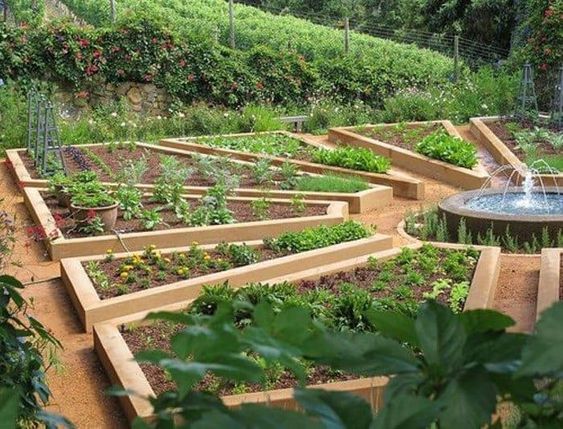
How to Create a Potager

"Potager gardens were invented in France as ornamental kitchen gardens. They combine fruit and vegetable crops with flowers and herbs to enhance the beauty of the space. The idea is to give a functional vegetable plot with the year-round visual appeal of a garden."- David Domoney

I don't know about you, but I have a serious case of garden envy!  These beautiful gardens show what is possible when nature and art collide.  Even a small portager is sure to stir the soul and provide a space of respite.  Read about how to design your own portager at David Domoney's WEBSITE.


Happy swooning!


Garden Project for Pollinators


Making a butterfly puddler/bee bath is very simple.  A shallow dish and colorful rocks/marbles is all that is needed to help hydrate our pollinators.  Keep the water below the rocks and marbles, so the pollinators don't drown.  You want to be sure to keep your dish raised off of the ground to keep other insects and animals from drinking from it.  Remember to frequently clean the bath to maintain a healthy water supply.  


You can even use a tomato cage and place a plant saucer on top to create a drinking spot.


Here is a tutorial for creating a bee bath for under $10

Bee nice!